Aerospace Applications
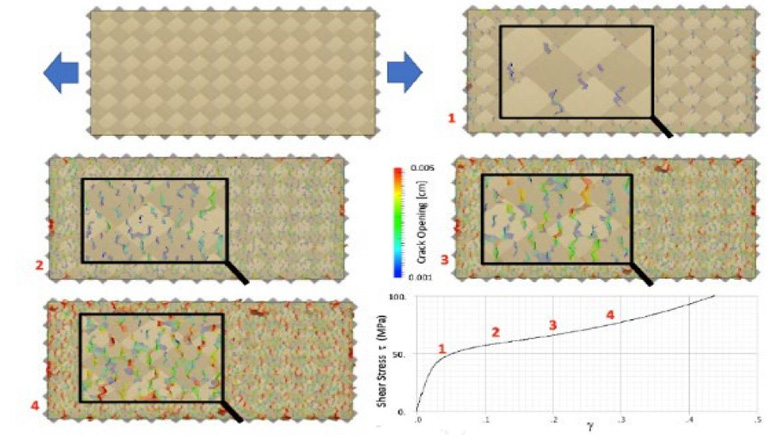
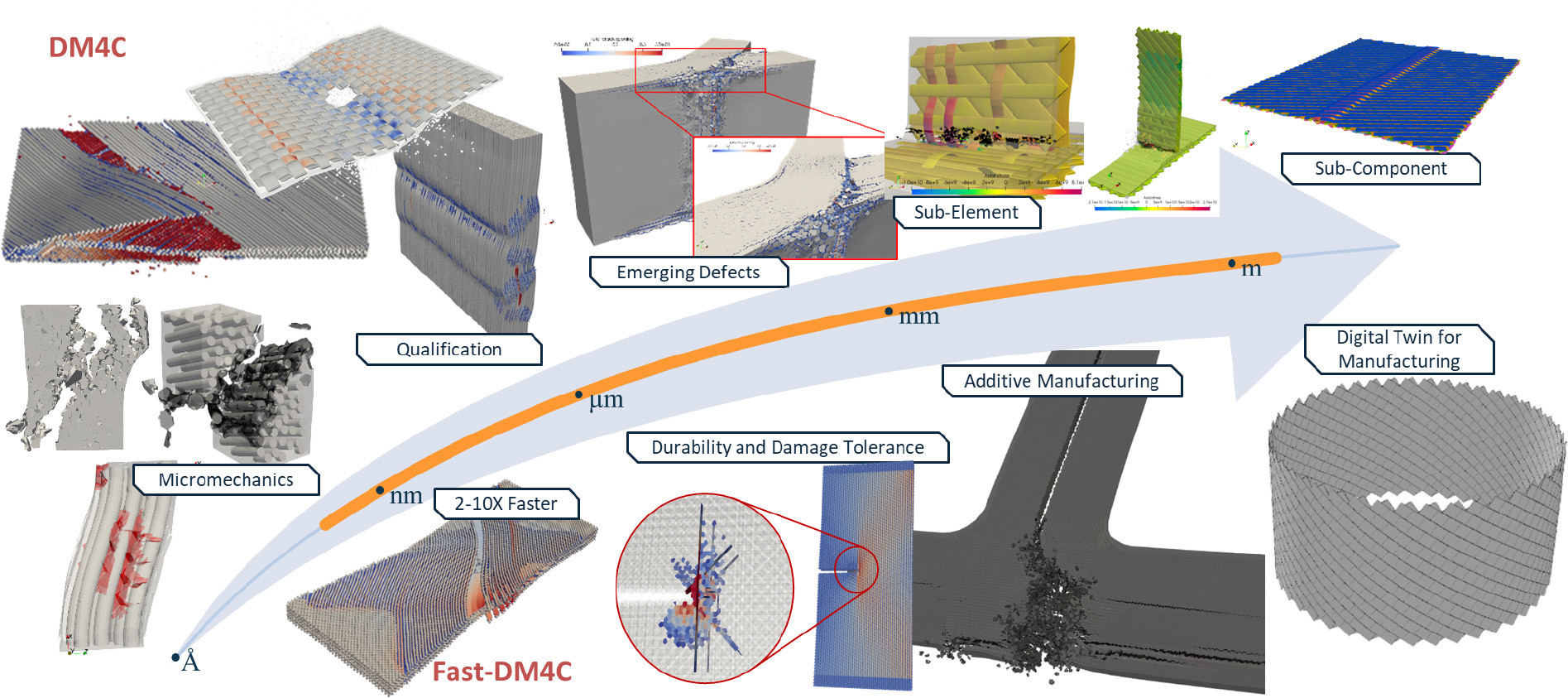
The Discrete Model for Composites (DM4C) and its advanced extension, Fast-DM4C, represent a significant advancement in the computational modeling of complex, highly heterogeneous composite materials. DM4C is specifically tailored for these materials. The explicit use of Timoshenko Beams to represent the material’s structural elements offers both computational efficiency and dexterity for solving problems across the multiscale paradigm. This efficiency facilitates simulations that effectively account for hundreds to thousands of individual fibers, “superfibers” (conceptual aggregations of multiple fibers), or larger structural units such as tows and rasters. This innovative approach enables DM4C and Fast-DM4C to accurately represent and simulate a wide array of composite architectures, including individual lamina, intricate laminate structures, various textile composites, and materials produced through additive manufacturing processes. This multi-scale capability is critical for a comprehensive understanding of composite material behavior, encompassing initial material design and optimization, prediction of failure mechanisms, and overall structural integrity seen in aerospace applications.
Microstructual Response
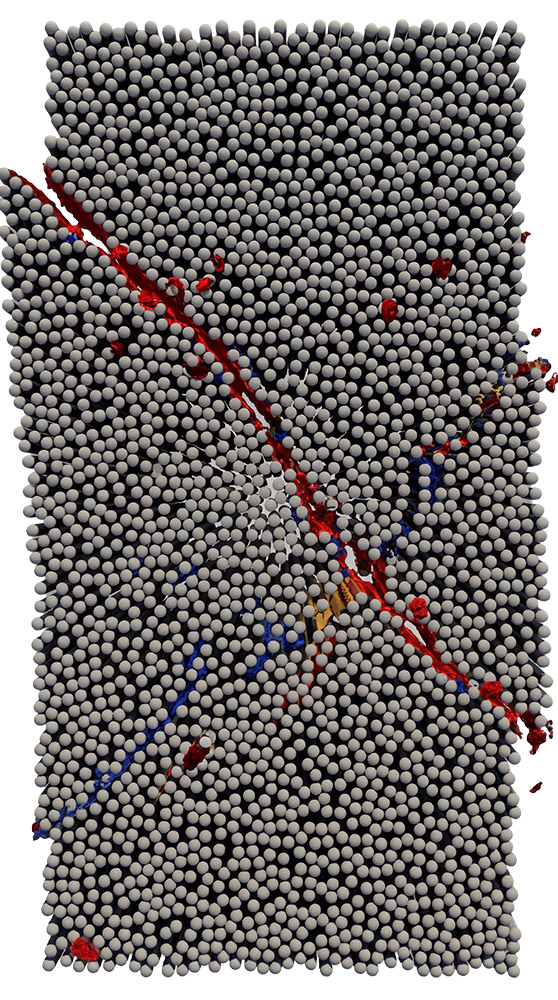
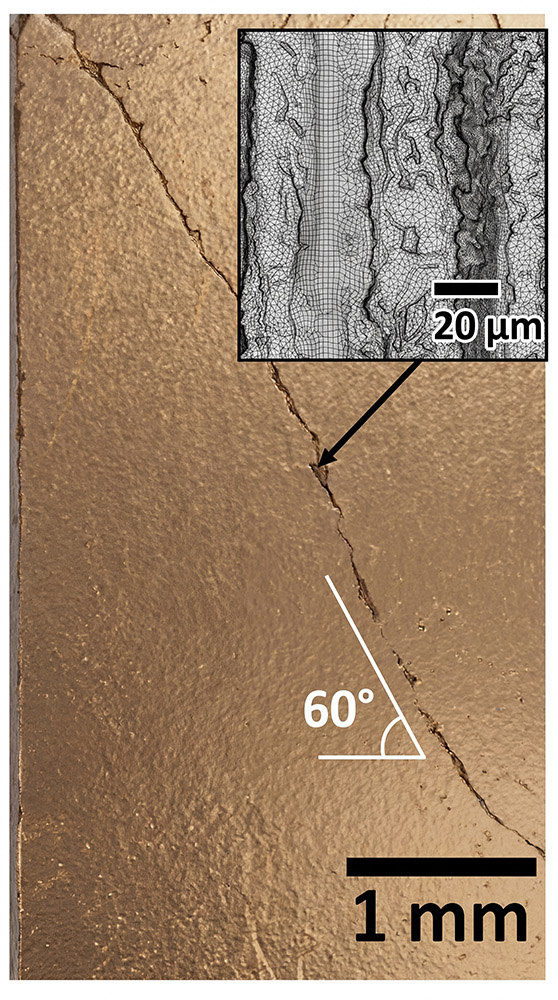
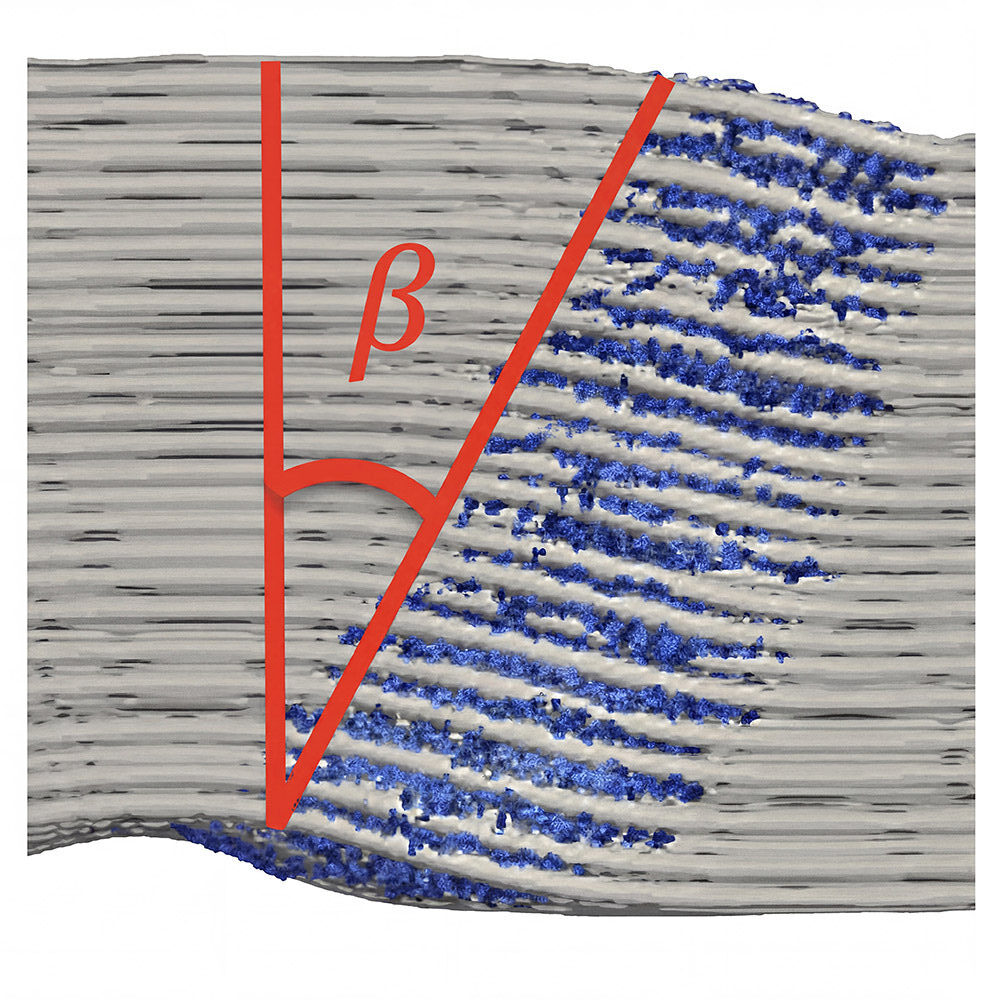
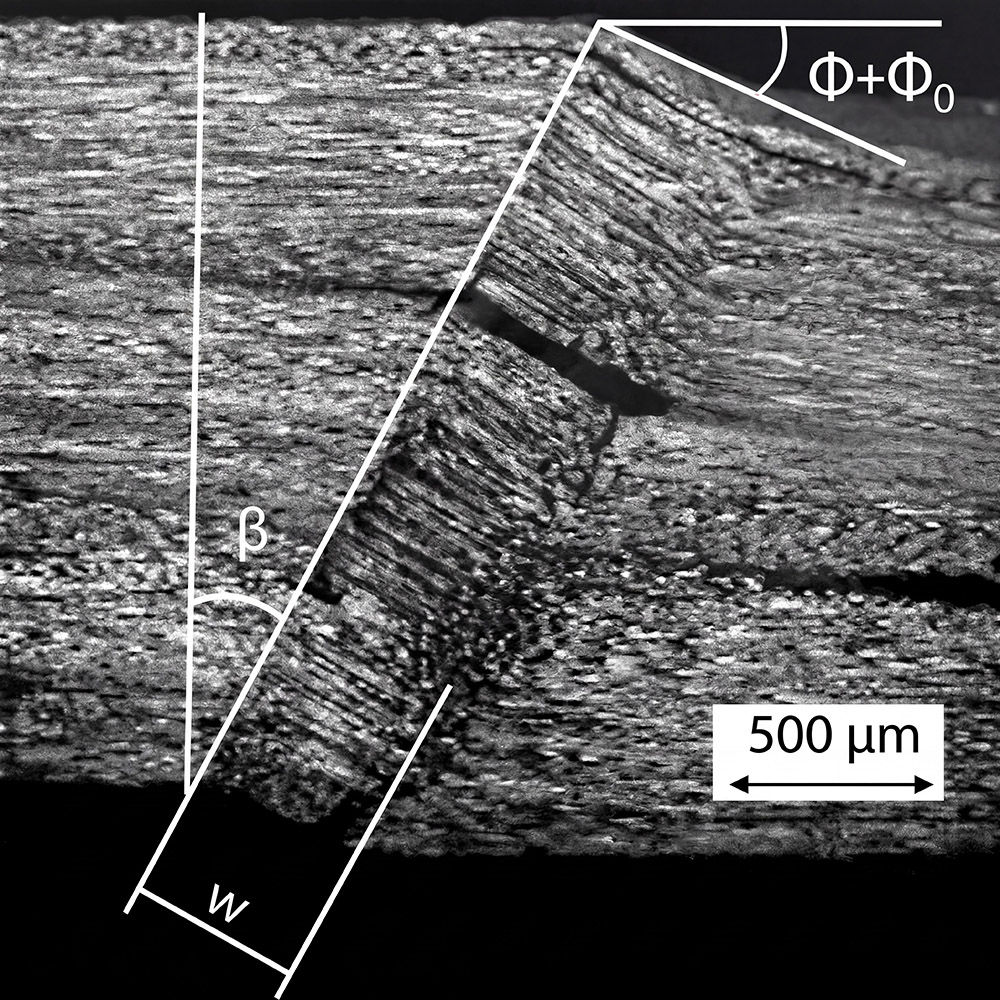
The DM4C framework—built upon the combined DM2 matrix model and Discrete Fiber Model (DFM)—provides one of the most robust and computationally efficient approaches for predicting microstructural response in advanced composites. Unlike traditional continuum models, DM4C explicitly resolves hundreds of fibers and their interactions, enabling realistic emergence of shear bands, kink bands, slope bands, fiber splits, and bridging phenomena under a wide range of loading conditions. This fidelity allows the model to naturally capture architecture-dependent instabilities and the inherent variability of composite failure, offering a level of predictive capability impossible to achieve with homogenized material descriptions.
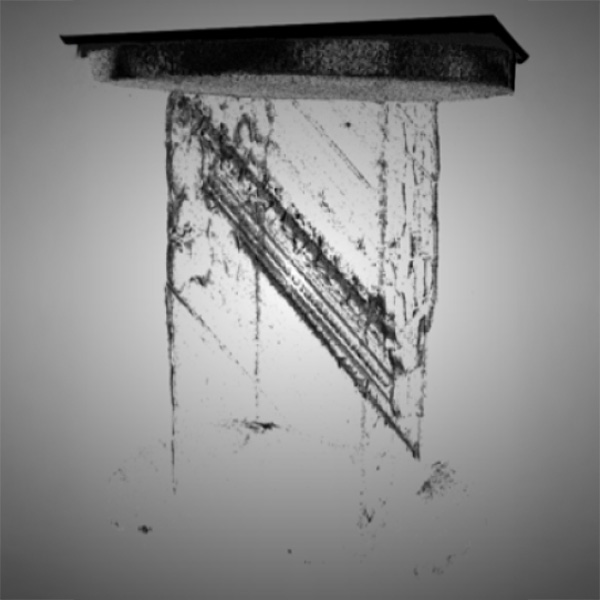
The power of DM4C is demonstrated through simulations of a thermoset lamina subjected to compressive loading, where individual 5.2-micron fibers and their matrix interfaces are explicitly represented. The resulting failure progression—fiber microbuckling, localized kink band nucleation, and matrix-driven shear-band evolution—mirrors experimentally observed behavior with remarkable accuracy. Each simulation within MARS is validated against corresponding physical tests, ensuring that predicted failure modes and scatter arise from the actual microstructural architecture rather than numerical artifacts.
Composite Textiles
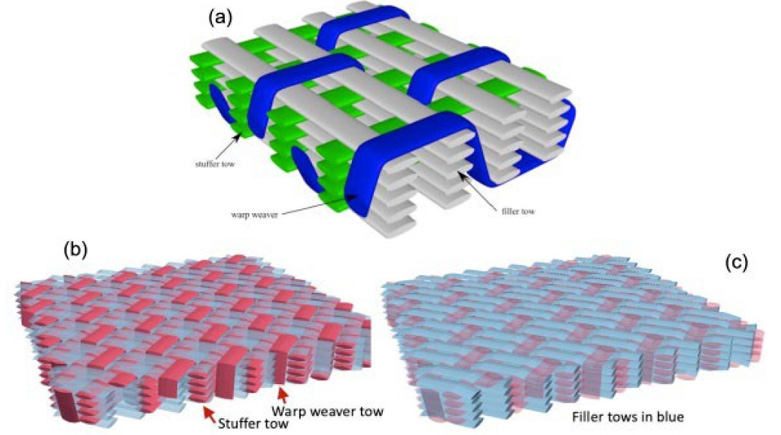
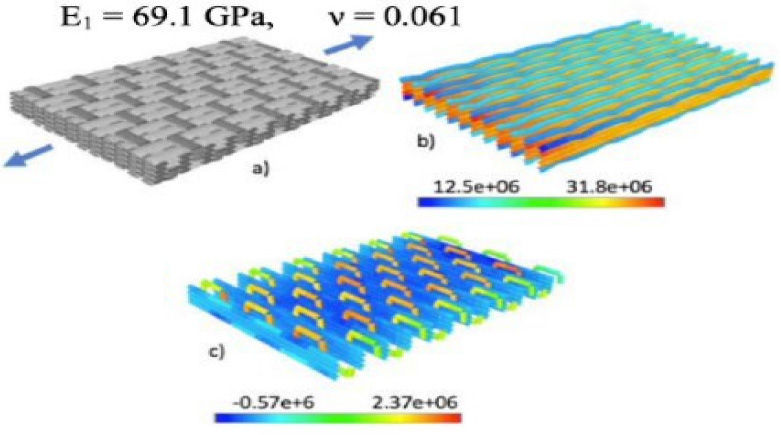
ES3’s DM4C approach utilizes Timoshenko beam elements to represent individual tows, which offers an efficient and versatile method for predicting the damage response of a wide range of textile fabrics, from simple plain weaves to complex 3D orthogonal architectures. This model’s strength lies in its ability to capture the complex interactions between intersecting tows, including bending, shear, and tension, which are crucial for understanding damage initiation and propagation. By discretizing the fabric into its fundamental constituents, the model can simulate the progressive failure of individual tows and the subsequent redistribution of loads, providing a detailed and accurate prediction of the material’s overall response to mechanical loading. This approach not only reduces computational costs compared to continuum-based methods but also provides a more direct and intuitive understanding of the underlying damage mechanisms in these composite materials.
Qualification and Certification
By resolving both fiber-scale mechanisms and mesoscale architecture effects, DM4C accelerates the qualification and certification of aerospace composite structures. The framework enables high-fidelity prediction of critical failure modes such as transverse compression cracking, longitudinal kink-band formation, and tow-level shear instabilities—phenomena that are traditionally expensive and difficult to characterize experimentally. This predictive capability reduces dependence on large test matrices, shortens development cycles, and supports the rapid insertion of novel composite architectures. Ultimately, DM4C provides engineers with a trustworthy, physics-rich toolset that enhances structural reliability while enabling the next generation of lightweight, high-performance aerospace materials.
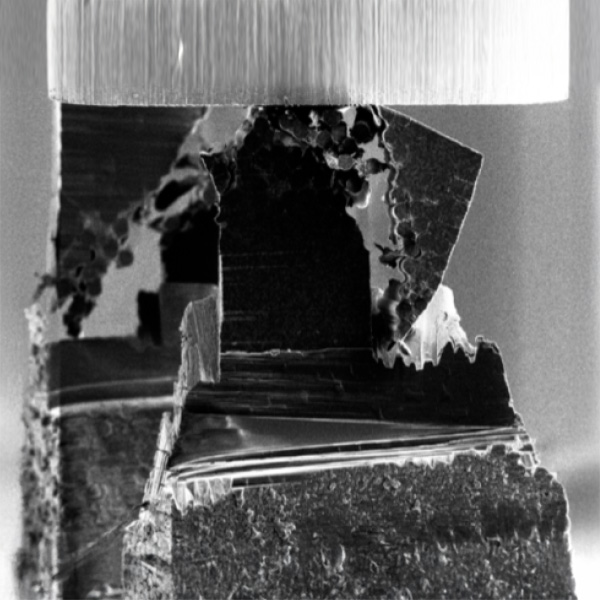
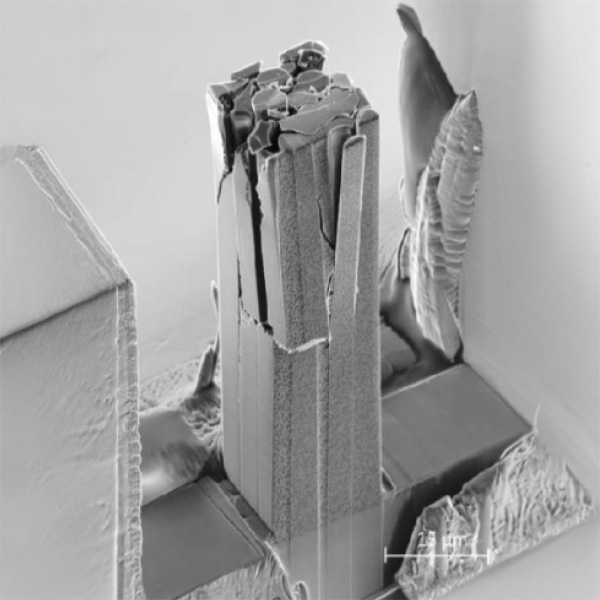
MARS simlulation of ASTM 3410 in-plane compressive properties of polymer matrix composite materials reinforced by high-modulus fibers.
MARS simlulation of ASTM 6641 test method for compressive properties of polymer matrix composite materials using a combined loading compression (CLC) test fixture.
Emergent Defects
Emergent defects are hidden flaws that arise during the manufacturing process, often leading to structural weaknesses and potential failure. These defects are particularly relevant in additive manufacturing (AM), or 3D printing, where the layer-by-layer creation of a part can introduce unique imperfections. Unlike traditional defects that are easily identified, emergent defects are more subtle and can be a significant concern for the long-term reliability and safety of a part.
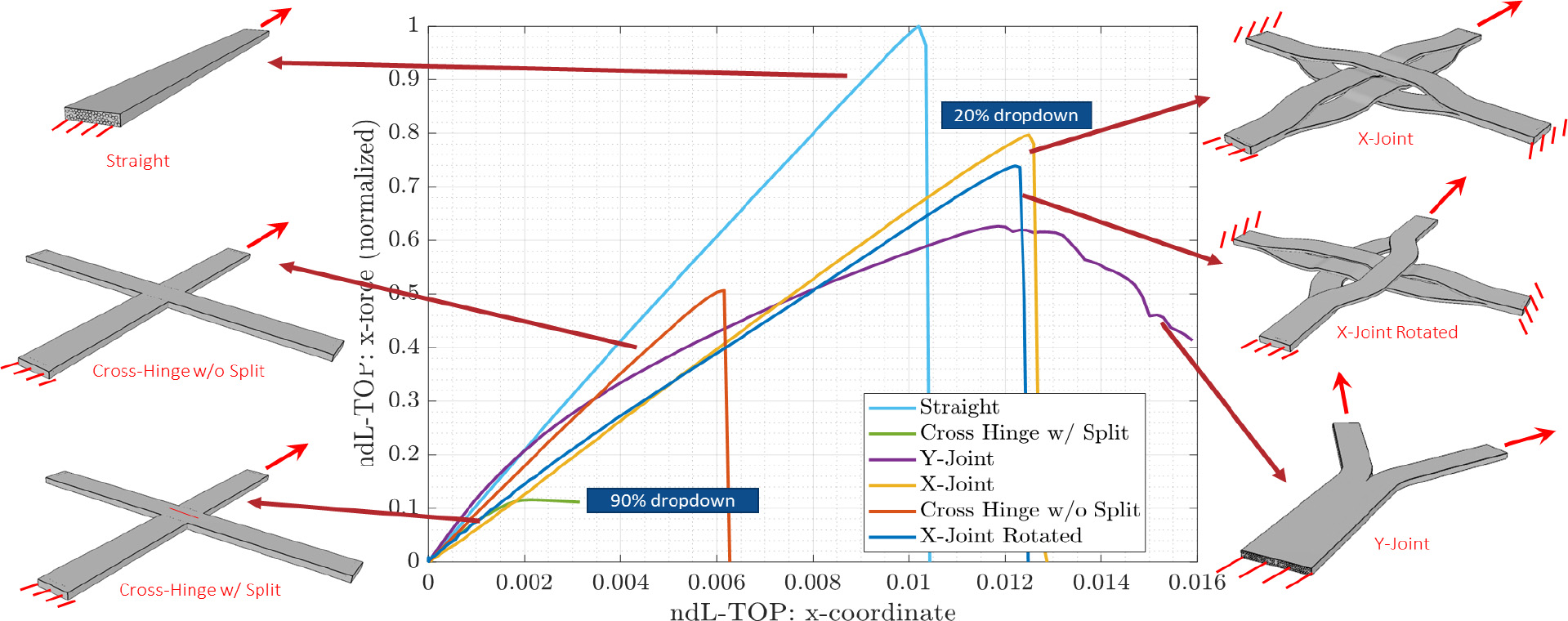
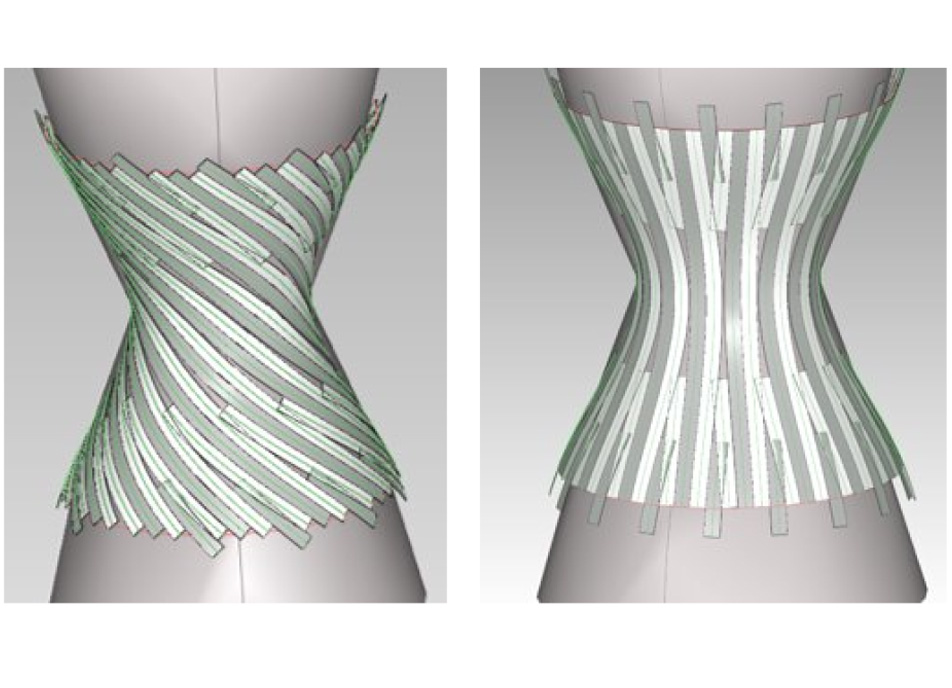
In additively manufactured parts, especially those made from composite materials, emergent defects can stem from a variety of sources. The way individual tows (bundles of fibers) are cut, placed, and bonded can create microscopic inconsistencies. For example, if a tow isn’t steered correctly, it can leave a small void or a weak interface between layers. This seemingly minor issue can become a failure initiation site, where stress concentrates and a crack can begin to form under load. This is especially true for parts designed for high-stress applications, such as aerospace components or medical implants.
The good news is that we can predict and mitigate these defects before they even occur. By using computational modeling and simulation, manufacturers can analyze the intended print pattern and predict potential weak spots. These models can simulate how the tows will be laid down, how different print paths will affect fiber alignment, and where stress concentrations might occur.
This predictive approach allows for a powerful optimization strategy. The print path—the specific sequence and direction of the printing head—can be adjusted to ensure that the composite structure is as strong as possible. For a given application, with a specific design limit load (the maximum load the part is expected to withstand without permanent deformation), the print path can be optimized to meet or exceed that requirement. This proactive approach ensures that the final part is not only free of emergent defects but is also engineered for optimal performance and durability.
Durability and Damage Tolerance
ES3 is committed to providing comprehensive solutions for understanding the durability and damage tolerance of advanced material systems, crucial for the aerospace industry. Our expertise spans from characterizing the intricate fracture process zone to modeling complex intra- and interlaminar fracture behaviors. We possess the methodologies to accurately simulate critical scenarios such as impact events, and to predict residual compression strength after impact, ensuring the structural integrity of components under various loading conditions. Furthermore, our dedicated team is actively developing advanced fatigue models specifically tailored for these materials, allowing for a more precise prediction of their long-term performance.
Our overarching goal is to integrate these sophisticated models into a robust probabilistic framework. This framework enables us to establish appropriate lifing terms for any given application, adhering to stringent industry standards like MIL-HDBK-1530D, “Aircraft Structural Integrity Program (ASIP),” and other relevant specifications for durability and damage tolerance. By providing a thorough understanding of material behavior under service loads and potential damage scenarios, ES3 empowers our clients to make informed design decisions, optimize maintenance schedules, and ultimately enhance the safety and longevity of their aircraft fleets.
Open Hole Compress:
Textiles
Structural Assembly:
Countersink Fastener
Structural Assembly:
Bonding
Compression Strength
After Impact
Sub-element
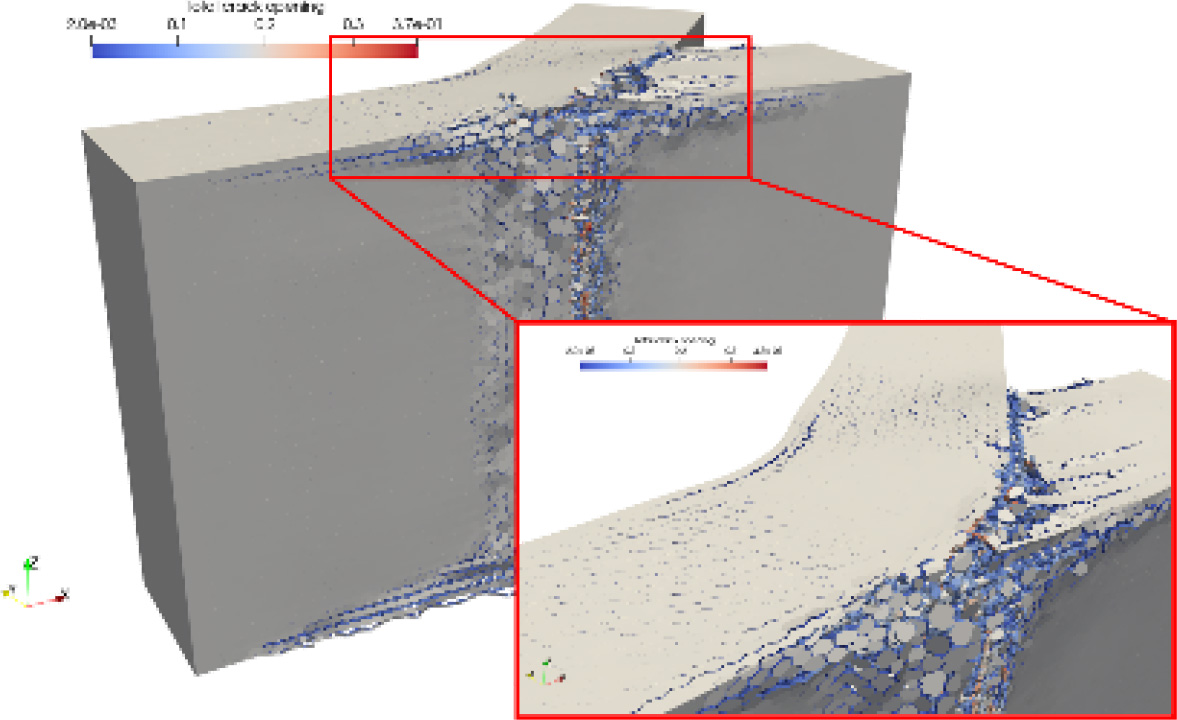
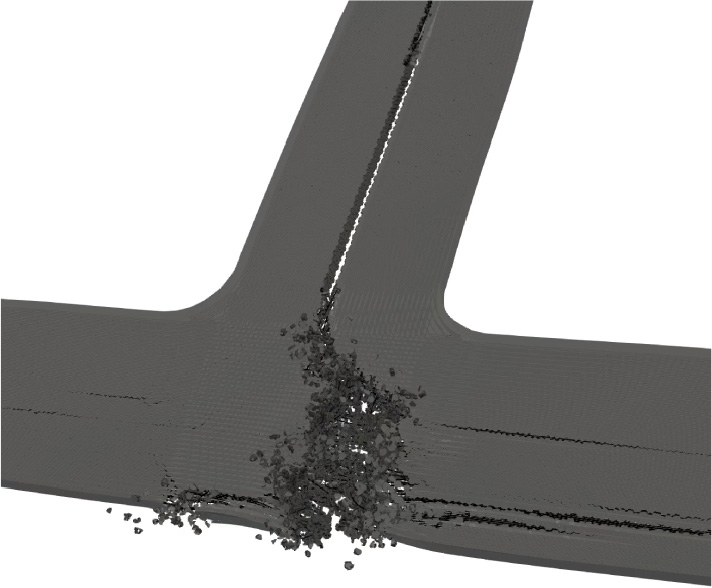
In evaluating the sub-element part of the building block approach for a composite pi-joint, ES3 can assess the complicated fabric architecture by leveraging the predictive capabilities of a model like DM4C. This involves meticulously characterizing the ply lay-up, fiber orientations, and resin distribution within the pi-joint’s intricate fabric. By integrating this detailed architectural data into DM4C, ES3 can simulate the initiation and growth of various failure mechanisms, such as delamination, fiber fracture, and matrix cracking, at a localized level. The model’s ability to capture these complex failure modes, including the interaction of fasteners and z-pins, allows us to understand how the fabric architecture directly influences the sub-element’s response to applied loads, thereby validating the building block approach’s accuracy in predicting overall structural behavior.
Pi-joint: Bonded:
Shear Load
Pi-Joint: Bolted:
Bend Load
Pi-Joint: Z-Pinned:
Pull Load
Sub-Component
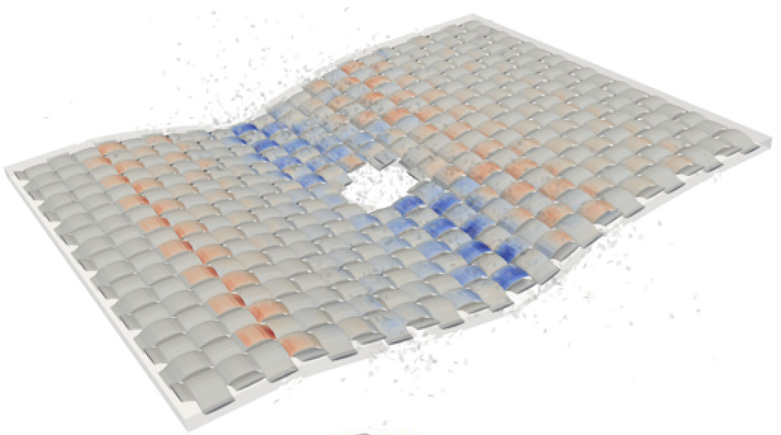
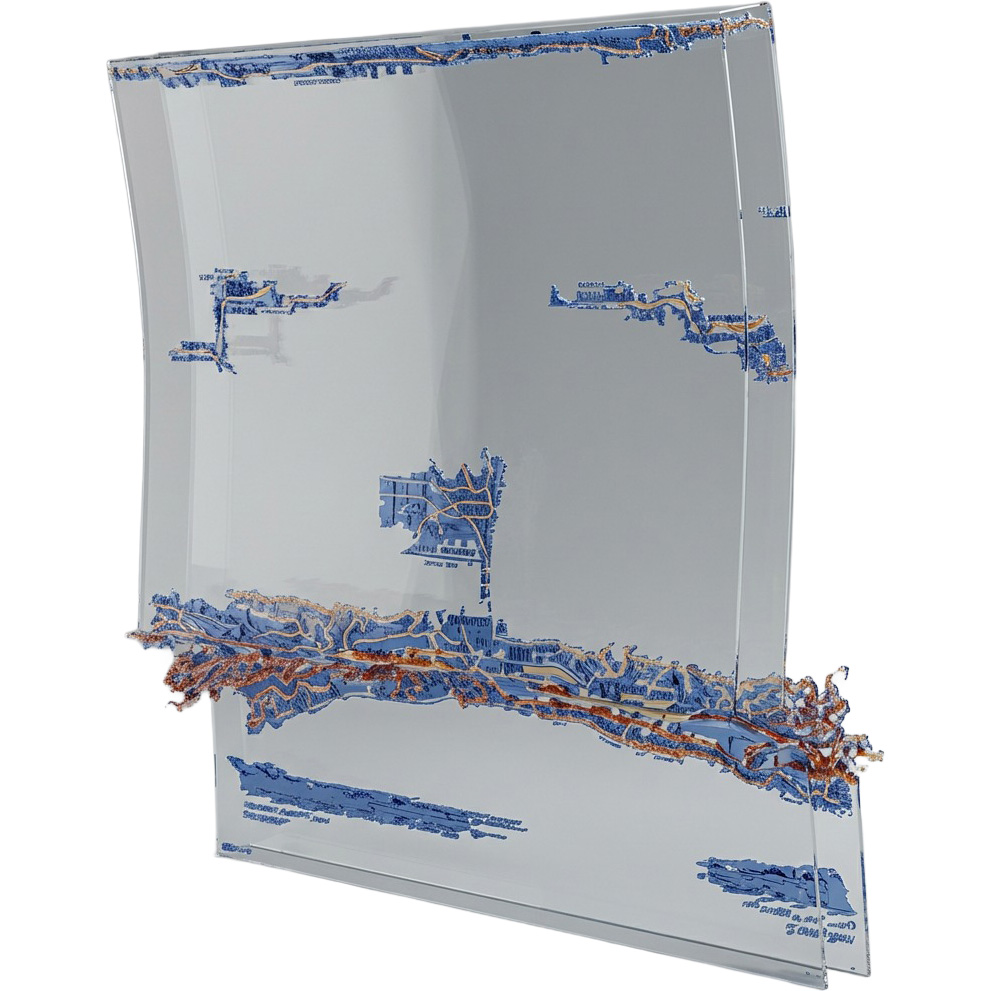
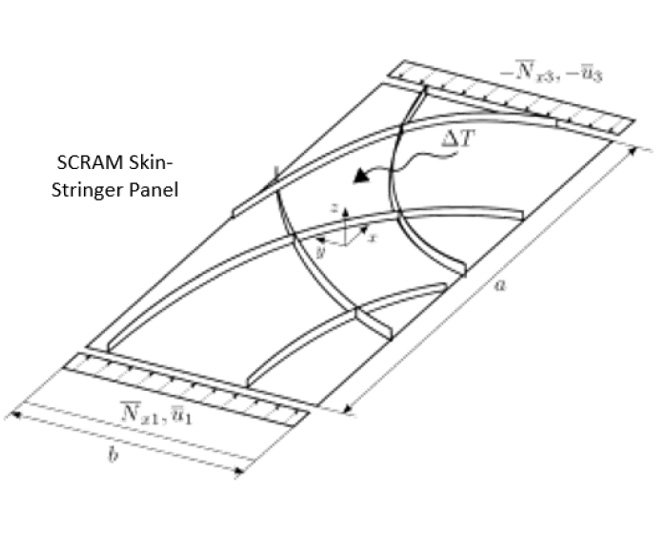
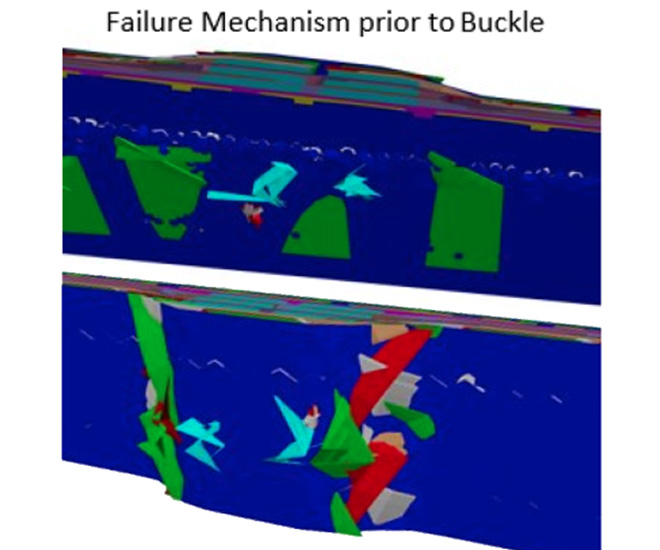
To accurately assess sub-component level complexity within a stiffened composite panel, our digital twin approach, powered by DM4C, is indispensable. This model uniquely captures the intricate interplay of geometric imperfections and manufacturing defects inherent in additive manufacturing processes, which are critical drivers of localized failure. By simulating mechanisms like matrix cracking and tow failure prior to buckling, DM4C allows for a granular understanding of how microscopic flaws propagate and coalesce, leading to sub-component degradation. This high-fidelity simulation provides unparalleled insight into the complex stress states and damage evolution at the most fundamental levels of the composite structure, ultimately enabling proactive maintenance strategies and accelerating the development of robust designs for future aircraft fleets.
Digital Twin
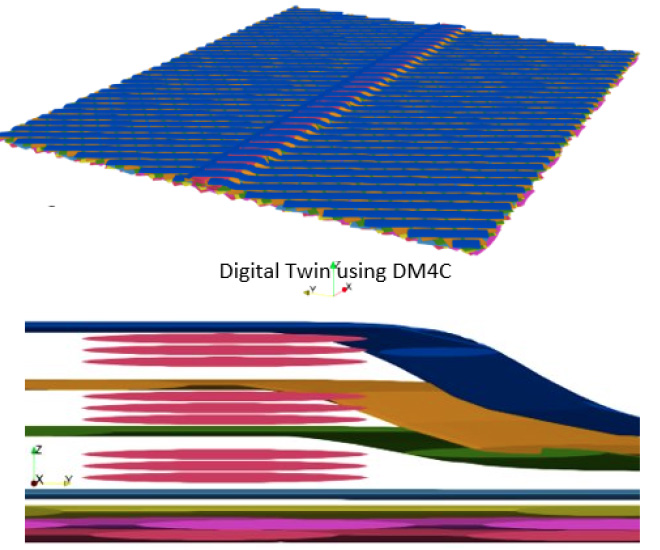
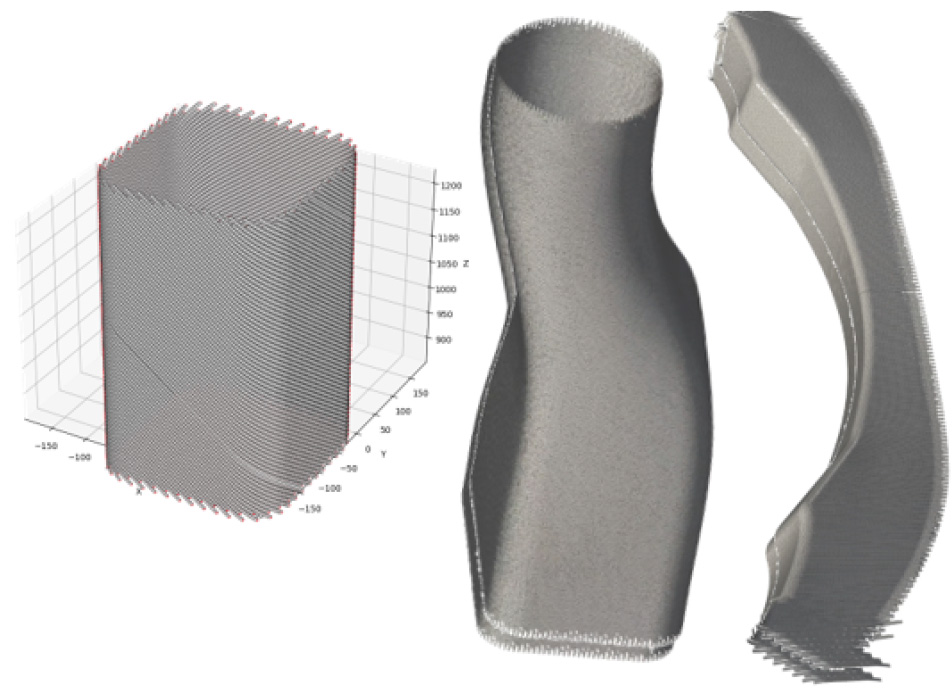
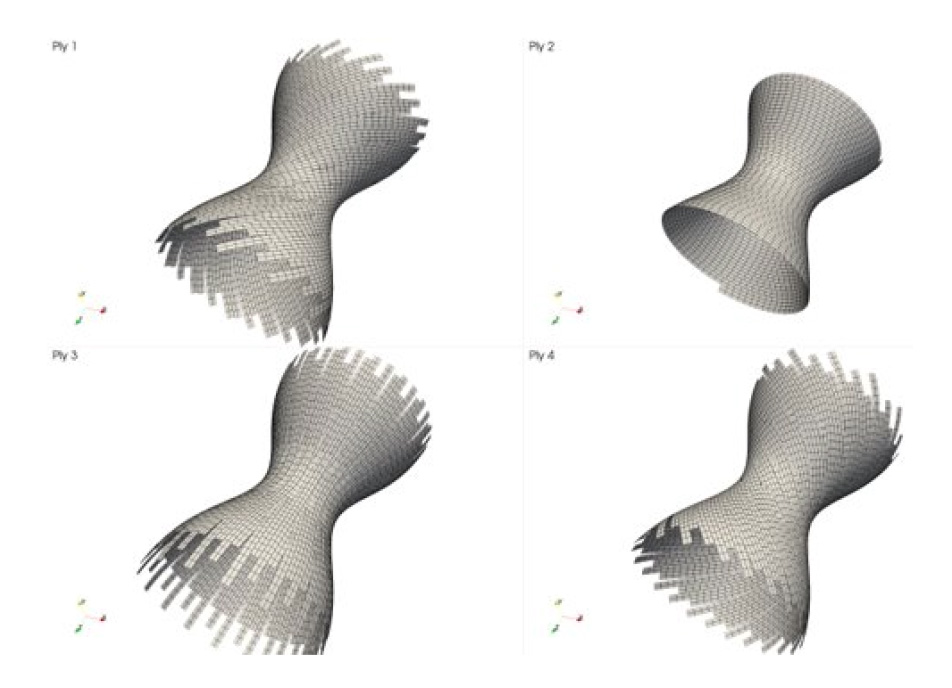
A digital twin is a real‑time virtual replica of a manufactured part, and for continuous‑fiber additive manufacturing (CFAM) it provides a direct link between design intent, print execution, and structural performance. DM4C enables this connection by using the actual G‑code to reconstruct the as‑built fiber paths, capturing deviations from the ideal design and translating them into a high‑fidelity structural model. This allows engineers to evaluate how the printed architecture will behave under load, identify potential failure sites, and assess large components where fracture and instability are strongly influenced by manufacturing variation.
By integrating print‑path analysis, topology optimization, and physics‑based performance prediction, DM4C transforms the digital twin from a passive record into an active engineering tool. Manufacturers can optimize fiber trajectories for strength, stiffness, or design‑limit loads before printing, ensuring CFAM components meet performance requirements while reducing rework, cost, and certification time.
Building Block Approach: Everything is a Structure
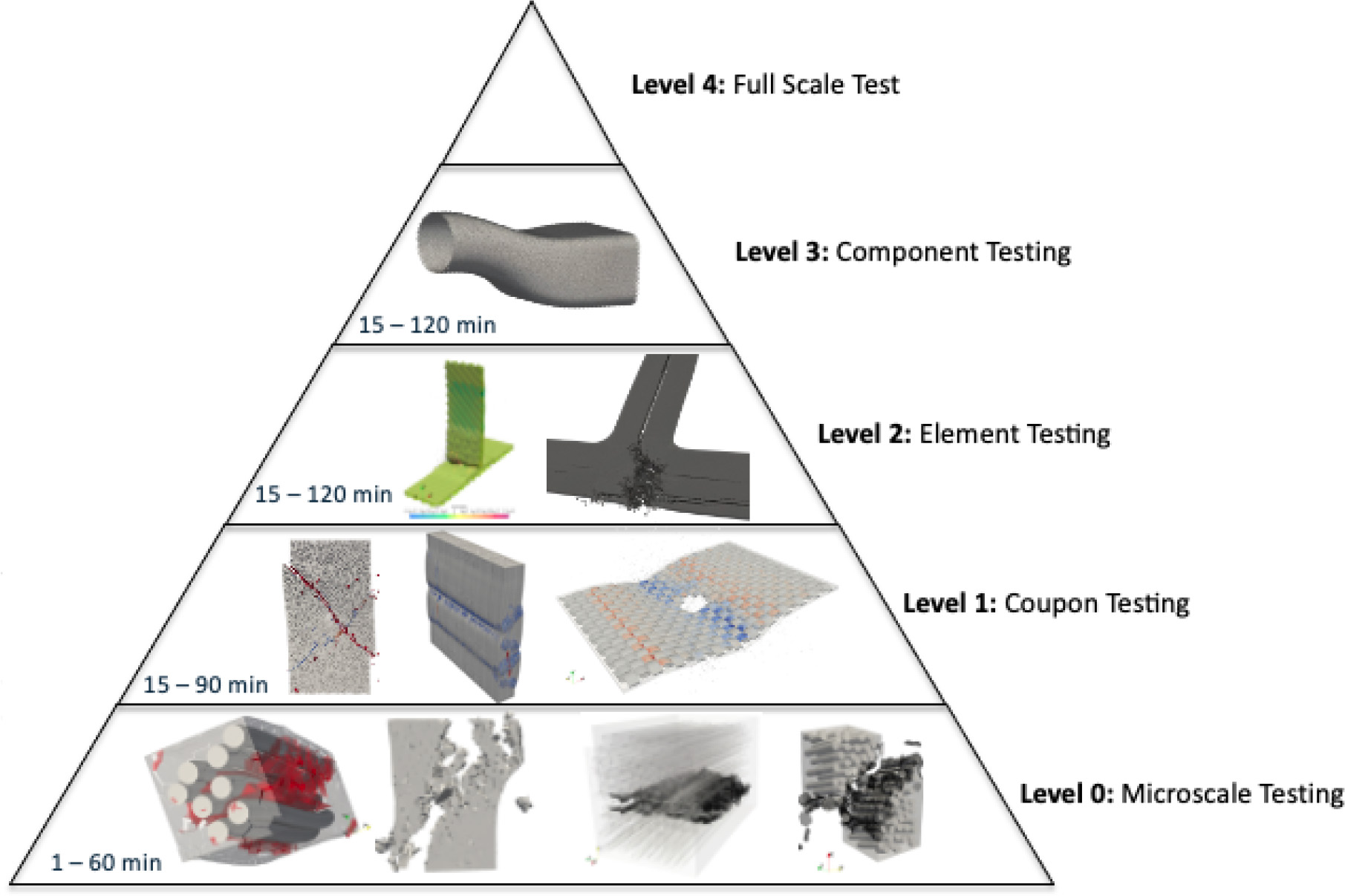
ES3’s foundational discrete model for composites (DM4C) operates on the principle that any structure is a series of interconnected building blocks, from the smallest to the largest scale. This approach, rooted in fracture mechanics, allows for the accurate simulation of failure in structures of any size, from the intricate details of a micro-fiber to a complete aircraft component. By modeling individual fibers, super fibers, rasters, and tows, ES3 provides a powerful solution for the immediate and future needs of the aerospace industry, addressing challenges from the sustainment of Group 3-5 and manned aircraft to the design of next-generation aerospace vehicles. The software’s efficiency is a key strength; while some problems are solved in minutes on a standard laptop, others requiring high-performance computing are still handled with exceptional speed. ES3’s goal is to provide efficient solutions for modeling the fracture of any structure, regardless of its size or complexity.